
In Celebration of the Human Voice - The Essential Musical Instrument
Home | Doo Wop | Barbershop | World | Contemporary | Christian | Vocal Jazz | Choral | Christmas | Instructional | Arrangements
Classical | Opera | Musicals | Personality | Young Singers | Disney | Videos | Songs | The Artists

Instructional Material for the Beginning Choir Director
The choir director does more than conduct and lead a choir, he is also tasked to make sure the members attend rehearsals and be at their best when performing. He carefully chooses the pieces that the group will perform and makes sure everything is in order; from the vocal harmony down to the stage formation. A good choir director is one who has strong leadership skills. He must be able to motivate and inspire the group, be firm and creative. A choir director sometimes acts as an accompanist, is a good singer himself, knows rules and techniques that make a vocal performance stand out. Choir directors usually have a background in teaching, music theory, conducting, harmony and vocal production. He is also knowledgeable of various musical styles that can be performed by the group. Here is a selection of material that will help you become this kind of choir director. |
Songbooks, Arrangements and/or Media
Displaying 1-21 of 21 items.
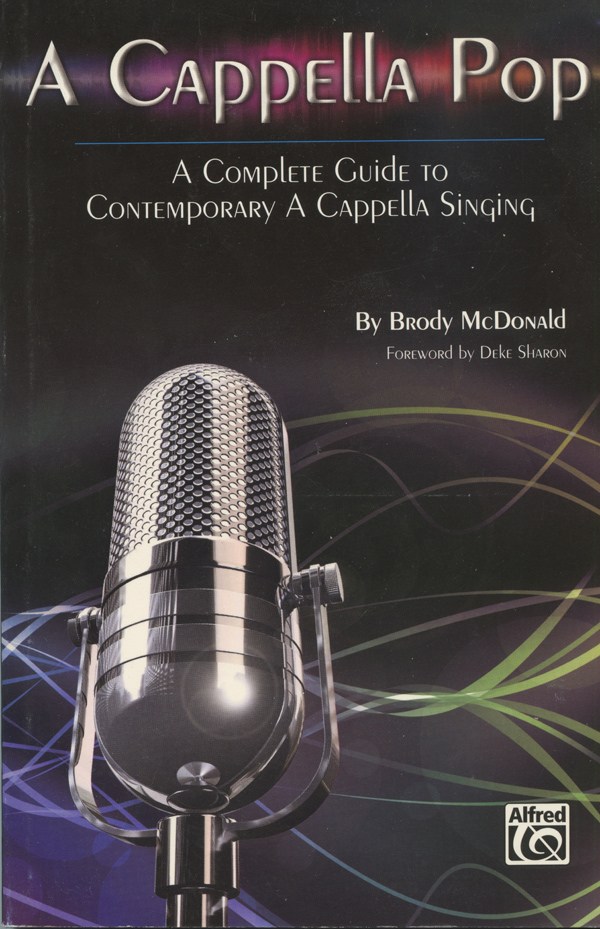
Brody McDonald : A Cappella Pop - A Complete Guide to Contemporary A Cappella Singing A Cappella pop singing - it's the hottest trend in the nation! Author Brody McDonald's award-winning ensemble, Eleventh Hour, was the first high school group to appear on NBC's The Sing-Off, and now you can similarly challenge your top high school and collegiate age singers with this book! With a foreword by Deke Sharon, topics include forming your ensemble, music selection, rehearsal techniques, sound reinforcement, vocal percussion, and much more! Songlist: What Are We Anyway?, The Audition, So What Do We Sing?, How To Structure Your Rehearsal, Rehearsal Techniques, Turkey Bacon, Practice versus Rehearsal, The Balancing Act, Planning Your Set List, Your Visual Plan, What To Wear, Vocal Percussion, What About The Bassses?, The Solo Vocalist, Moving to the Stage, Booking a Gig, Live Sound For Pop A Cappella, Microphone Technique, Effects Pedals, A Cappella Meets PR, Creating the Culture, Pop A Cappella in the Classroom, The Feeder Program, Making a Recording, The Sing-Off 
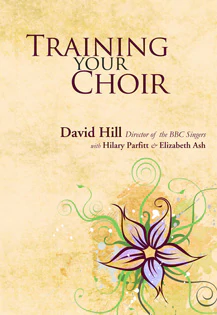
David Hill : Training Your Choir Whatever kind of choir you direct, whether it is a large professional body or small ad hoc group, this book will be invaluable in developing your own training skills, giving you the confidence to bring out the very best in your singers. Many aspects of choir training are covered, including: warm-ups and vocal exercises, the physiology of singing, an illustrated section on beating patterns, conducting techniques, group dynamics and psychology, preparation of rehearsals and music. Songlist: Introduction, The Approach, The Singers and the Singing, The Voice, The Alchemy of Singing, Mechanics of the Voice, The Registers within the larynx, The Psychology of Singing, The Choir Director, Conducting: Role and Techniques, Use of the Body, Conducting Language, The Rehearsal, Warming-up, Warming-up Exercises, Voice Production and Projection Excercises
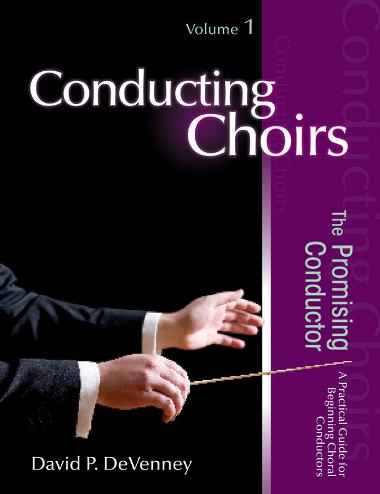
David P. DeVenney : Conducting Choirs Vol 1 - The Promising Conductor Intended for beginning conductors, this volume offers a conceptual approach to conducting rather than an imitative one. Students begin by building right-hand and then left-hand gestures and are provided with exercises designed to increase independence and expressiveness. Approaches to repertory and programming are also introduced, as are score marking, rehearsal strategies and preparation, and singing technique. In total, it is a concise guide that offers a wealth of practical information and stands alone as a resource for even part-time choir directors. Songlist: Exposition, Development, The Right Hand, Two Hands, Expressing Ideas, Repertory and Programming, The Score and the Rehearsal, Singers and Choirs, Recapulation
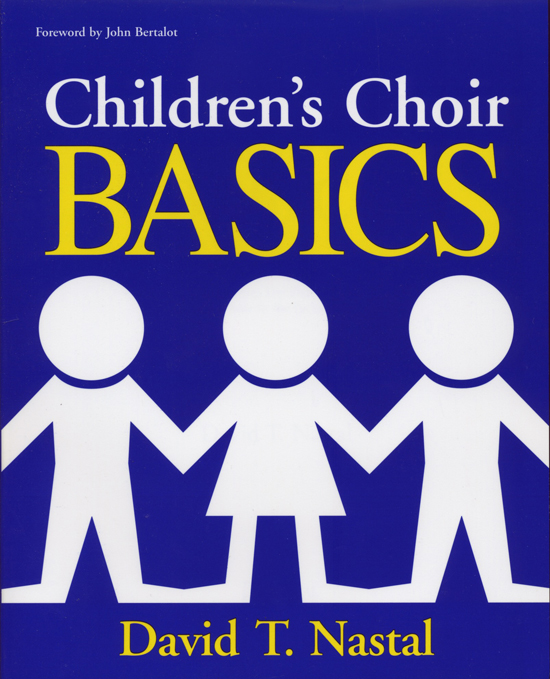
David T. Nastal : Children's Choir Basics A Children's choir - what a great idea for your community! But how do you get started? What are the pitfalls? Children's Choir Basics answers your questions. Beginners will find information, inspiration and well-tested ideas for that crucial first year and all years to come. Those who already know the rewards of a parish children's choir program will find even more fun and challenge. Perhaps most importantly, you will see clearly why children's choirs are more than cuteness and kiddy songs - and how to integrate them into the liturgical and sacramental prayer life of the parish. This book is neither a manual for music educators nor a pedagogical 'method' but a fresh, energetic look at building a successful children's choir program from the ground up. Music ministers, pastors, schoolteachers, council members, adult volunteers, parents and accompanists will find this a gold mine of practical music making. Songlist: Preparing the Ground, Plan of Action, Recruiting, The Interview Process, Preparing For Rehearsal, The Rehearsal, The Choral Sound, Repertoire, Parents and Volunteers, Expanding the Horizons, Basic Terms, Resources
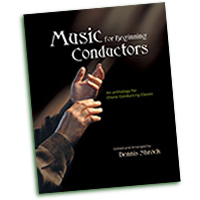
Dennis Shrock : Music for Beginning Conductor Music for Beginning Conductors is an anthology of music designed to include all repertoire necessary for beginning choral conducting classes. Organized from simple to complex, the 103 pieces in the anthology address all the basic techniques, including entrances on and off beats, phrasings and articulations, fixed and changing dynamic levels, varied tempos and meters, fermatas, extended beat patterns, and mixed meters. In addition, each of these categories is explained at the beginning of the anthology. The pieces are scored so students gain experience with unison, canonic, independent two-part, homophonic four-part, independent four-part, a cappella, and simple keyboard-accompanied textures. Much of the music consists of folk songs and other familiar melodies that have been arranged with a simple harmonic bass part that can be played, if desired, on a keyboard instrument. All of the music is accessible in terms of melody, rhythm, and harmony, thus allowing it to be read with relative ease and to be adaptable to classes of varying sizes and resources.
Dr. Patrick Freer : Getting Started with Middle School Chorus - 2nd Edition New to teaching chorus? If so, you may be filled with anticipation and anxiety. Getting Started with Middle School Chorus is here to point you in the right directions. Like other books in the Getting Started series, there's enough specific information here to get you started and on your way! This second edition of Getting Started with Middle School Chorus gives you new information on working with young adolescent changing voices, designing optimal rehearsals for middle schoolers, managing growing choral programs, and helping youngsters gain musical skills they can carry with them for a lifetime of making music. This practical outline will help build your confidence as you take on the new responsibilities associated with teaching middle school chorus. Songlist: In The Beginning, Your School's Choral Department, Budget and Equipment, Developing Your Schedule, Choosing Choral Repertoire, Recruiting Singers, The Young Adolescent, The Young Adolescent Voice, Rehearsal Planning, Teaching Strategies, Performances, Get Started and Keep Going
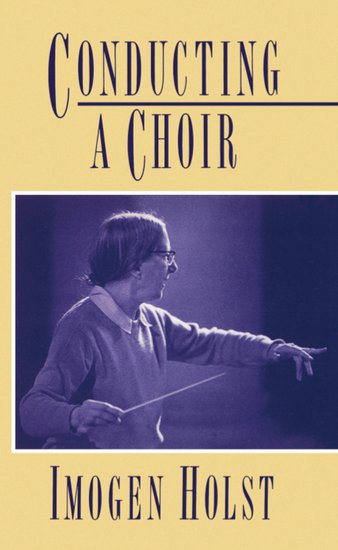
Imogen Holst : Conducting a Choir - A Guide for Amateurs Imogen Holst (1907-1984), the daughter of the composer Gustav Holst, was a much-loved source of inspiration for the many musicians and students who encountered her over the years at the Dartington Summer School of Music and the Aldeburgh Festival. In this book, originally published in 1973, she sets out clearly and concisely--and often amusingly--a wealth of practical information that will be of particular interest to the amateur conductor. She gives precise and detailed advice on the technique of conducting, how to form and train a choir, the presentation and rehearsal of music, and how to approach public performances and competitions. Her final chapter offers suggestions for the actual rehearsal of choruses from Purcell's Dido & Aeneas, Handel's l'Allegro, and Britten's Rejoice in the Lamb.
Janet Day : Choir Director Plan-It Organizing a choral music program can be like a jigsaw puzzle! Make your life easier with this one-of-kind resource designed just for you - the choir director-with everything in one essential collection. Packed with helpful charts, calendars, reproducible forms and tips for a successful choir, this guide will help you stay organized and plan ahead for the whole school year. Highlights include: 40 weekly rehearsal/lesson planning charts, 12-month calendar, reproducible forms for student information, music performance evaluation, audition forms, concert planning, assessment rubrics based on the National Standards and more. Songlist: Substitute Teacher Information, Student Information Card, Rehearsal Plan-It, Seating Charts, Choir Roster and Grade Record, Concert Plan-It, Assessment Sheets, Choral Repertoire Plan-it, Music Listening Plan-It, Music Listening Worksheet, Audition Sheets, Music Performance Evaluation, Week-At-A-Glance, Month-At-A-Glance, My Weekly Schedule, Notes
John Bertalot : Immediately Practical Tips for Choral Directors In this book you'll learn such things as secrets to help fill your choir stalls, advanced choir training techniques, the "ten commandments" for leading successful rehearsals, pastoral concerns, contract information, and much more!. Songlist: Beginning a New Job, Recruiting New Children, Auditions, Four Immediately Practictal Tips, Two Secrets To Help Fill Your Choirstalls, Choosing Music, A Training For Children's Choirs, Twelve Practical Suggestions, How To Create A Choir, Working With Colleagues, Choir Ceremonies, How To Ensure Good Behavior, Boys' Changing Voice, Choir Meals, Organizing Concert Series, Pastoral Concerns
Jorgensen / Pfeiler : Things They Never Taught You in Choral Methods Hours of college methods can only begin to prepare you for the realities of the music classroom. Only experience will teach you some of the material never mentioned in methods classes, and this handbook will be an enormous practical guide to help you with the rest. This "hands-on" guide has hundreds of practical suggestions, tips and ideas for running a successful secondary choral music program. A "must-read" for any beginning teacher, and a motivational "shot-in-the-arm" for veterans. Songlist: Ownership, No More Compromises, Selecting Literature For Performance, Out Here On My Own, Tradition! Tradition!, Recruiting, Bragging As An Art Form, No Choir Is An Island, Concerts, Contests and Competitions, All For One! One For All, Evaluating Excellence
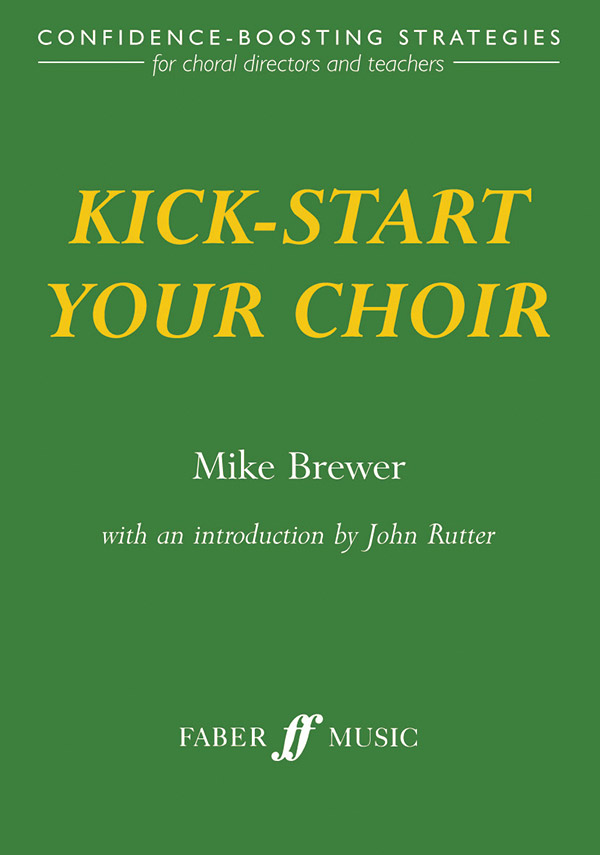
Mike Brewer : Kick-Start Your Choir: Confidence Boosting Strategies Kick-Start Your Choir is for teachers, choral directors, church musicians - anybody who directs a choir. It presents a treasure trove of ideas distilled from years of innovative work with singers of all ages. Practical strategies are offered on almost every aspect of choral directorship. Kick-Start Your Choir - the indispensable handbook for the choral conductor Songlist: The Voice in the Classroom, Starting a Choir, Getting Young People to Sing, Sound Gestures and Conducting, Program Planning and Repertoire, Preparation and Rehearsal, Basic Vocal Technique, Troubleshooting
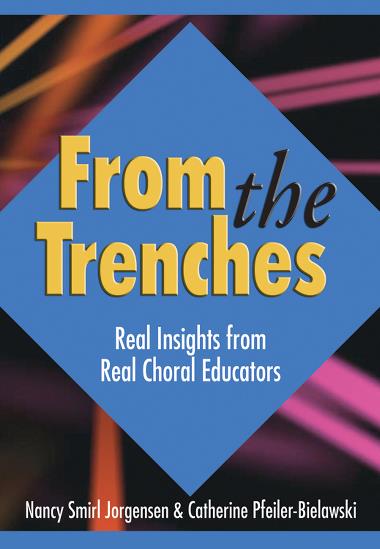
Nancy Jorgensen / Catherine Pfeiler-Bielawski : From The Trenches So you've gotten your first choral directing job. You've assembled your rehearsal plans, beautified the choir room, and are now ready to greet your students with wide-eyed enthusiasm. The first day has begun. You wish you had a pause button. While we obviously can't help you alter the time-space continuum, From the Trenches does offer a plethora of insightful and practical information perfect for the new teacher. Written by choral educators for choral educators, this "easy read" is also a welcome resource for experienced teachers who are looking for ways to refresh and rejuvenate their choral programs. Songlist: Great Expectations, Round And Round, I Hear America Singing, So Many Notes - So Little Time, To Everything There is A Season...And A Reason, Give My Regards to Broadway, Law And Order, Extra! Extra!, Sample Letters And Forms, Round Repertoire Recommendations, Musical Theatre Licensing Agents, Publisher Information, Index, Biographies
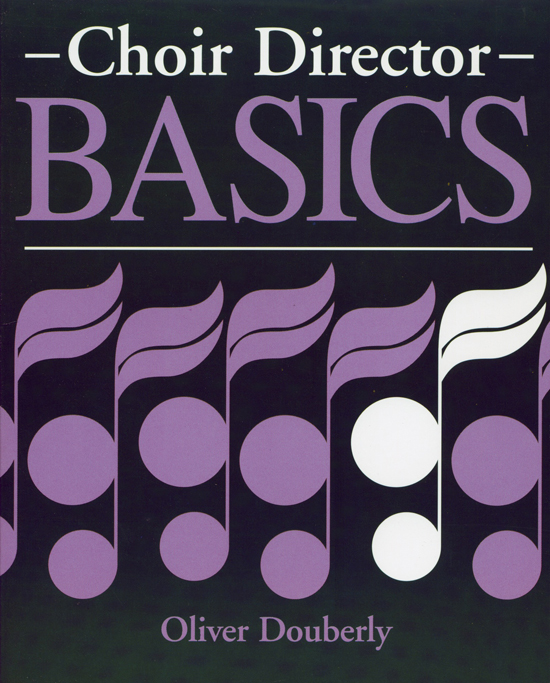
Oliver Douberly : Choir Director Basics The latest volume in the 'Basics' series is an excellent new resource for choir directors from a recognized expert in the field. Choir director Basics supports and guides the reader through the process of organizing new ensembles as well as developing and improving existing choirs. The book is divided in five parts, each addressing specific aspects of the choir director's work: The Place for the Choir and Preparing to Direct the Choir; The Rehearsal; Making the Choral Sound; Ritual Celebrations; and Administration. Songlist: Singing From The Same Page, Organization and Paperwork, The Importance of Personal Preparation, Posture and Breathing, Warm Up - Making the Sound, Rehearsing Hymnody, Rhythm and Pulse, Rhythmic Phrases, Diction Skills, Making the Ensemble Sound, Gesture Technique, Conducting from the Console, Recruiting New Choir members, Maintenance of Choir Members
Paris Rutherford : The Vocal Jazz Ensemble This vocal jazz book absolutely has it all! From the ensemble audition process to the final performance and everything in between, this book truly covers every aspect of what it takes to begin and maintain a vocal jazz group. An absolute must for novice directors and singers and equally valuable for those with years of experience, this text provides a wealth of material on the full spectrum of vocal jazz education and performance. The enclosed CD includes recorded vocal examples. Songlist: Perspectives On Vocal Jazz, The Ensemble And Its Director, Interpreting Vocal Jazz-The Vocal Jazz Ensemble, The Vocal Jazz Soloist, The Band, Sound Reinforcement (A.K.A. Live Sound), The Performance, About The Author
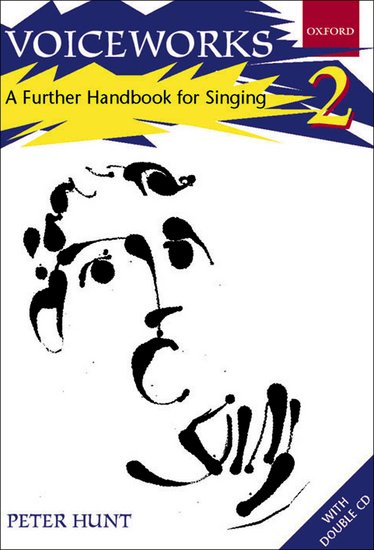
Peter Hunt : Voiceworks 2 - A Further Handbook for Singing Voiceworks is a magnificent resource for promoting good singing in pre-schools, schools, community choirs, adult choirs and everywhere that people sing. The Voiceworks books (complete with CDs) are packed with songs and ideas which are practical, motivating, and accessible. Voiceworks 2 is a complete guide and support for anyone who encourages or teaches other people to sing well. Singing is learned behaviour, and Voiceworks 2 aims to help singers of all ages and experience improve their capability, to develop some techniques, and get pleasure from using their voices. It is claimed that the better people feel about their voices, the better they feel about themselves, so this book is more influential than just a singing book. The music is eclectic, chosen for its accessibility, and can be used progressively as laid out in the book to build confidence and develop vocal technique, or as a 'dip in' resource to suit particular needs. Songlist: Section I: Warm Ups And Rounds, Boom Chicka Boom, Eighteen Hammers Standin', Everywhere We Go, Chicka Hanka, Sarana, Sonagwaza, Banuwa, Banaha, Janie Mama, Freedom Train, Sto Me, Yenamanoa, Oliver Cromwell, The Hand Jive, Three Way Canon Blues, Jazz Gloria, Hashivenu, Alleluia, Cantate Domino, There Was a Young Woman of Ryde, She Died, She Did!, There's a Girl that I Love, Section II: Improvising and Inventing, Section III: Spirituals and Gospel Songs, Zion me wan' go Home, Trampin', Go Down Moses, I Want to be Ready, Shoeshone Love Song, and more
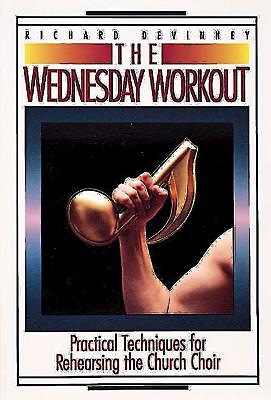
Richard Devinney : The Wednesday Workout By the Way- You Start Tomorrow Night". The recruiting of a less-than-fully-trained person is usually done at the last minute, since the search for a fully trained person will continue as long as there is either time or hope. Our last-minute, inexperienced director, then will be starting immediately. This first chapter is the most light-hearted, the most general, and the most basic of the book. It is pep talk and a look at the thing to do the first night for the first Sunday. The remainder of the book covers the other ongoing aspects of planning and directing effective choral rehearsals. Songlist: By the Way - You Start Tomorrow Night, Plan on Having a Good Time, Here's How: The Technical Stuff, Diction: It's More Than Just Being Understood, The Voice: Know Your Instruments, Rhythm: Is Your Music Alive?, Choice Matters, But People Always Come First, Tomorrow You Must Get Organized, What's a Choir For?, Now Do It - Week After Week After Week
Roger Emerson : Sing 6-7-8! - 50 Ways to Improve Your Chorus The adolescent years can be a challenge for any choir director, but this practical handbook by Roger Emerson provides an engaging and witty approach to working with these young singers. Ideal for experienced educators and those new to the field, this text is full of creative ideas and solid solutions in an easy-to-read question and answer format. The fifty topics include recruiting, the adolescent voice, choral tone, classroom management, budgets, choral balance and blend, sight-reading, repertoire, programming, incorporating pop music into the choral program, working with your administrators and colleagues, parent and community relations, helpful recommended resources and much more!
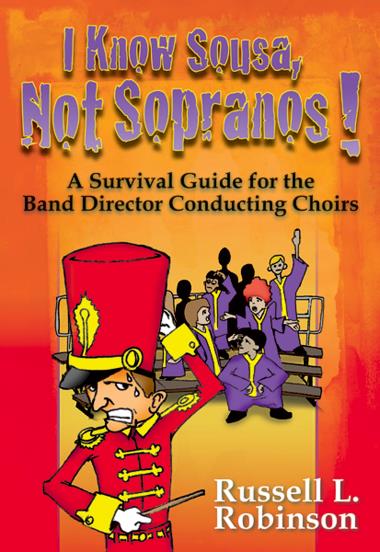
Russell Robinson : I Know Sousa, Not Sopranos! Here's a sobering thought for many a band or orchestra director: you've been given the "opportunity" to work with a choir! Whether or not the decision was made by you or for you, moving from the realm of Sousa or Tchaikovsky to the land of sopranos can be a disconcerting prospect for even the most experienced (not to mention even-keeled) band or orchestra director. But fear not-trained instrumentalist turned choral director (and educator, clinician, composer, and arranger) Russ Robinson, has written I Know Sousa, Not Sopranos! to help you survive your foray into this strange land. Drawn from his very successful clinics on this subject, Dr. Robinson's goals with this guide are simple-to show those educators who have been trained in instrumental music that they already possess many of the musical skills necessary to teach choral music, and to present, in a straightforward and accessible manner, knowledge and awareness of key areas unique to directing a choir. Songlist: Foreword, Stranger in a Not-So-Strange Land, Let's Start at the Very Beginning, Good to Great, My SOP for the SAB is MIA, And in the End, Resources for the Choral Director, Publishers of Educational Choral Music, About the Author
Steve Zegree : The Wow Factor What is it about some musicians and performers who consistently achieve success? Are they the best performers? Did they have the best teachers? Do they have the best professional contacts and connections? Is it just coincidence? Of course not! Dr. Steve Zegree of Western Michigan University, choral arranger and conductor of Western Michigan's Gold Company has developed this practical guide for performers, students, teachers and parents which offers fundamental philosophies and concepts that are essential to a person's growth and development and will contribute to a successful professional life in music. More than just the basics, more than a prescribed curriculum, and more than just getting in front of an audience to go through the motions of what you did in rehearsal - call it the Wow Factor - there is something for everyone in this book! Songlist: Introduction, Chapter 1: The Wow Factor, Chapter 2: How to Practice and Rehearse for the Wow Factor, Chapter 3; How to Prepare a "Wow" audition, Chapter 4: Ifs, Ands, or Butts- and Rules to Live By, Chapter 5: Don't Go to Your Face: Putting the Polish on Your Performance, Chapter 6: How to Educate and Entertain, Chapter 7: How to Win on NBC's Clash of the Choirs, Chapter 8: "Wow" Perspectives: The Interviews, Chapter 9: Coda, About the Author, Praise for The Wow Factor
Timothy Seelig : Quick Fixes Rehearsal begins with the same, standard warm-ups. What do you do when the choir starts the repertoire and all of the beautiful singing heard during warm-ups goes out the window? It's obviously too late to run into your office to find a book with answers about choral technique! We have the cure for what ails you! Grab Tim Seelig's Quick Fixes: Prescriptions for Every Choral Challenge from the pocket of your choral folder, quickly identify the symptom in the index, read the plan of treatment, and immediately fix the problem .. right on the spot! This handy budget-stretching book is full of concepts that singers understand and can incorporate into their singing. You'll find that next time the singers reach that problem spot in the music, they will remember the prescription! Remedies without the side effects! This resource is just the insurance you need to provide the specific prescription for every choral vocal challenge. You'll be on the road to a strong, healthy performance! Songlist: Posture/Alignment, Breathing, Phonation, Resonance, Articulation/Vowels, Blend, Intonation, Communication, Memorazition
Timothy Seelig : The Perfect Choral Workbook In his third book for Shawnee Press, following the two best-sellers "The Perfect Blend" and "The Perfect Rehearsal," Timothy Seelig (former longtime director of the Turtle Creek Chorale in Dallas, professor at SMU, and current Director of Art at the Hope for Peace and Justice Center,) presents invaluable tools to organizing your choral program - whether you are a church choral conductor, or a school director. The Perfect Choral Workbook is organized into several chapters (reviewing your situation, planning ahead, rehearsing, communicating, vocal resources, post-concert tasks, etc.) with 48 'forms' to help you get organized. The book includes descriptions, practical uses, and samples of the form, and the CD-ROM includes blank versions of each (in Word and as PDFs) for you to print and use. Seelig covers every aspect of choral conducting, from the most exciting to the most mundane yet necessary tasks. Get yourself organized with this great new resource! Songlist: Looking Back, Looking Ahead, Looking Around, Looking Inside...The Music, It's Time to Rehearse, Communication, After The Concert, Kitchen Sink, Lists, Vocal Resources, Additional Resources |






 Vocal Harmony Arrangements - Home
Christian | Gospel | Standards | Musicals | Specialty | World | Barbershop | Contemporary | Vocal Jazz | Choral | Christmas
Mixed Voices | Female | Male | 8 Parts | 6 Parts | 5 Parts | 3 Parts | 2 Parts | Medleys | Solo | Folio Series | New Releases
Select a Category |
Want to Sing? - Find a Chorus Near You
List of Choruses by State | List of Choruses by City